







Search Results for: is made from
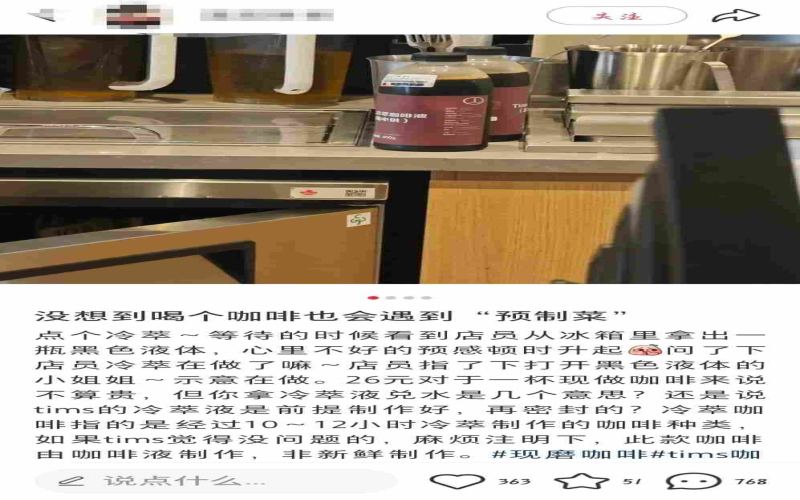
Chain coffee brands' cold brew production methods spark controversy: Is it reasonable for stores to use pre-made concentrate?
Recently, a post about Tims stores using pre-made espresso concentrate to make cold brew coffee sparked heated discussion on social media. Customers saw staff take a black liquid out of the refrigerator and pour it directly into a cup, questioning whether it was really freshly made. However, cold brew coffee itself requires soaking for more than 8 hours in advance, so does this count as "pre-made"? And does a store using frozen concentrate uniformly delivered from a factory meet consumers' expectations for cold brew? Supporters believe this approach ensures consistent quality, while opponents feel it is no different from a convenience store beverage. This article will review the course of the incident, netizens' opinions, and explore the production standards and industry status of cold brew coffee. Front Street Coffee reminds us that no matter the method, the key to a good cup of coffee lies in the control of ingredients and craftsmanship. [more…]
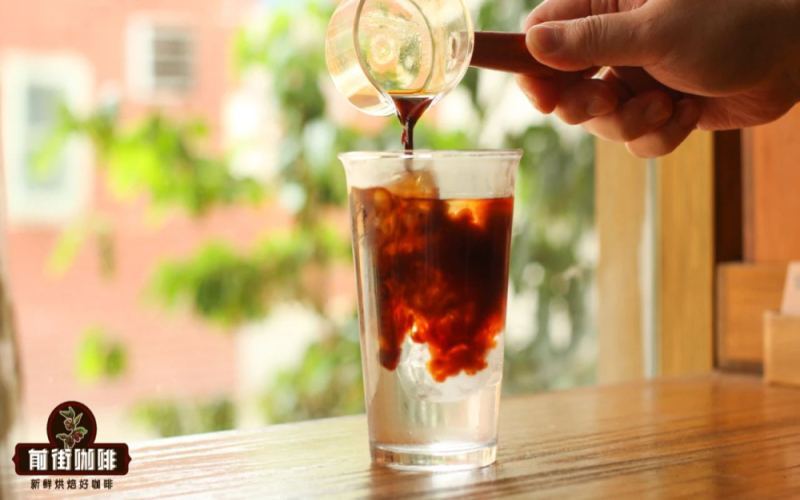
Yirgacheffe SOE Americano Flavor Explained: The Unique Performance of Espresso Made from Ethiopian Single-Origin Beans
In specialty coffee shops, SOE (Single Origin Espresso) has become almost a regular on the menu. Is making espresso with single-origin beans really superior to using a blend? Which beans are suitable for pulling espresso shots? This article, from the perspective of Front Street Coffee, sorts out the origin of the SOE concept, how it differs from blends in actual output, and how, when Front Street turns single-origin beans such as Yirgacheffe Natural Red Cherry and Costa Rica Mozart into espresso, the flavors of the americano and latte respectively take shape. If you're both curious about and hesitant about SOE, you might as well finish reading this before making a judgment. [more…]
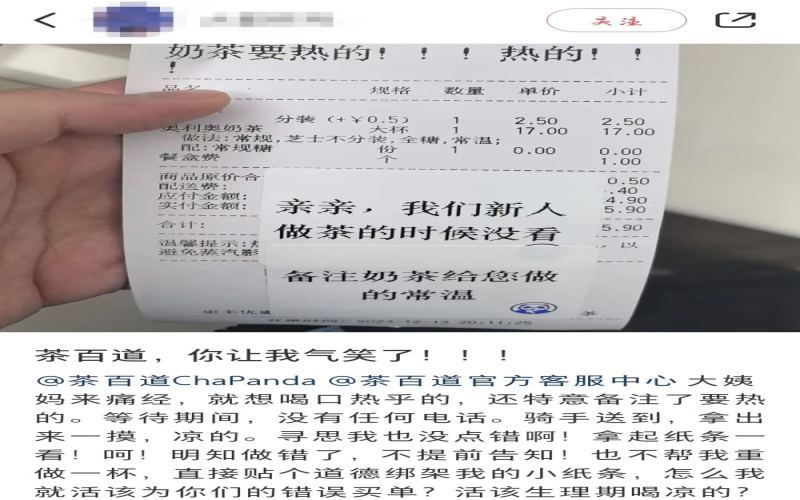
Milk tea ordered as a hot drink but made at room temperature, customer questions why they should pay for the store's mistake
As the weather turns cooler, many consumers specifically note when ordering coffee or milk tea that they want it served hot. However, recently a customer at a ChaPanda store clearly left a note asking for the drink to be heated, yet received a room-temperature beverage. What angered her even more was that the staff had already noticed the mistake when handing out the order, but still packed and sent out the drink, attaching a note to explain. This incident sparked widespread discussion online: why should the customer pay for the store's mistake? Restaurant industry professionals pointed out that when an order is found to be made incorrectly, the store should bear the loss and remake it, rather than forcing the wrong item on the consumer. [more…]
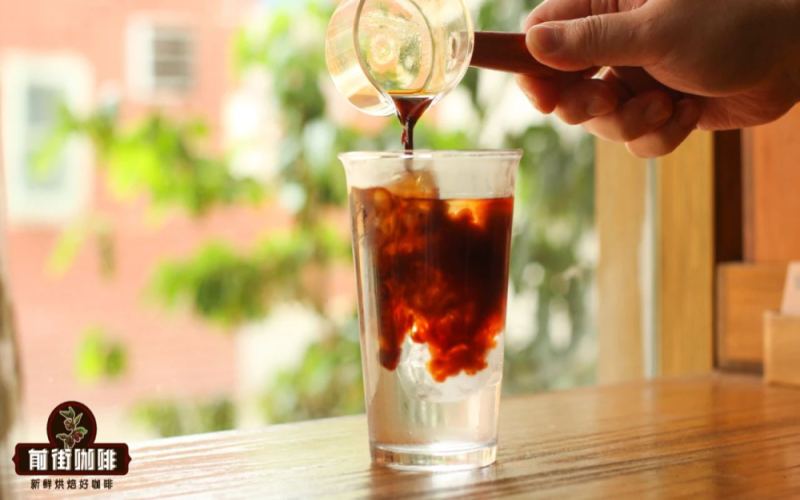
SOE Coffee Flavor Characteristics | What Is SOE? Which Coffee Beans Are Suitable for SOE Espresso? Does Ethiopian Yirgacheffe SOE Americano Taste Good?
Nowadays, when you go to a specialty coffee shop, you can always see espresso drinks made with SOE (Single Origin Espresso) on the recommended menu. Is espresso made from single-origin coffee beans necessarily better tasting than espresso made from a blend? Which single-origin coffee beans are suitable for making espresso? In this article, Front Street will answer these questions one by one. [more…]

Coffee from a faucet? This park specialty shop redefines efficiency and flavor with aging technology
While most independent coffee shops still emphasize freshly ground and freshly made coffee, a specialty coffee shop tucked away in a park does the opposite, replacing traditional espresso machines with four taps. After customers place an order, staff simply place a cup under the tap to dispense pre-prepared coffee liquid, milk, or hot water, producing an Americano or milk coffee in seconds. This method, which involves extracting coffee 12 hours in advance, preserving it under oxygenated vacuum, and then mixing it with compressed air through a Linkbar brewing head, is called "softening and maturation" by the shop owner. Is it an efficiency revolution in specialty coffee, or the coffee world's version of pre-made dishes? Let's find out. [more…]
Can a flat white be made as an iced drink? Examining its essential differences from a latte and a cappuccino through milk foam thickness and cup size
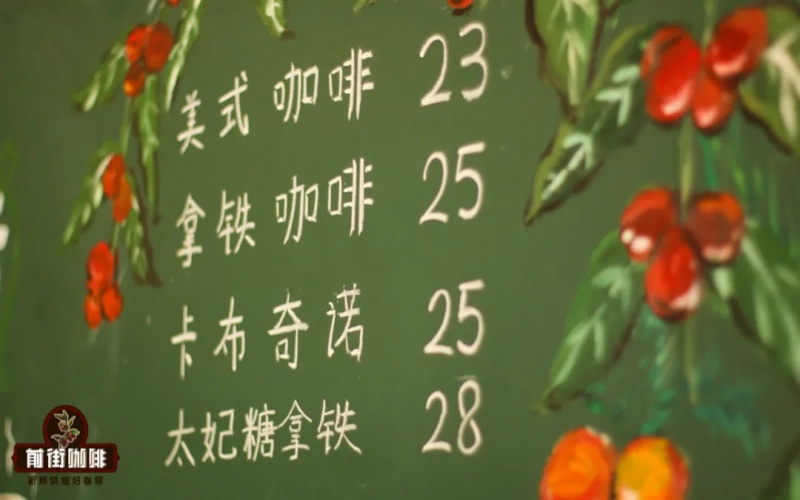
Ordering an iced Flat White at a specialty coffee shop is often politely declined by the barista, which leaves many enthusiasts puzzled: it's understandable that a Dirty can't be made hot, but why can't a Flat White be made iced? To answer this question, we first need to understand exactly what kind of espresso milk coffee a Flat White is. Its cup size is on the small side, its milk foam is extremely thin, and its signature feature is precisely that layer of flat microfoam less than 0.5cm thick. Starting from the actual situation of Front Street Coffee's store menu, this article sorts out the core differences between the Flat White, Latte, and Cappuccino in terms of cup size, milk foam thickness, and flavor balance, explains why an iced drink cannot present the Flat White's unique charm, and why it easily degenerates into a product indistinguishable from a small cup of iced latte. [more…]
Manner removes freshly made bread from multiple stores without warning, catching consumers off guard
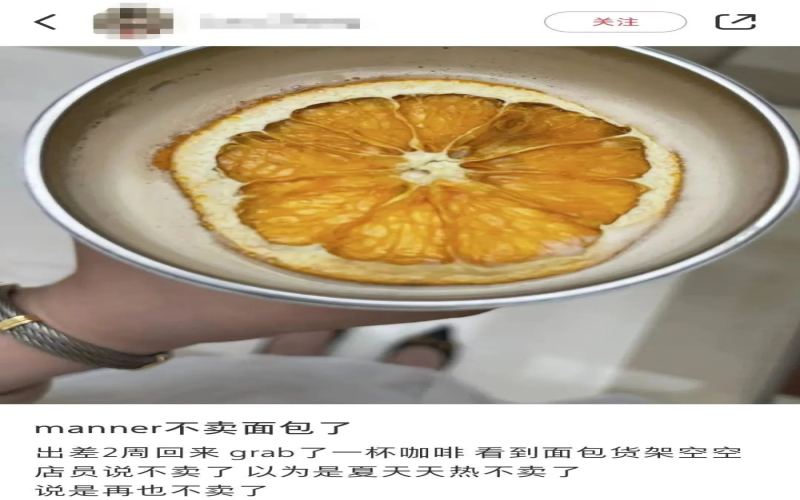
Recently, many consumers have noticed that shelves at some Manner stores with in-house bakery sections were suddenly cleared, and staff gave inconsistent explanations for why the bread was pulled—some cited equipment upgrades, while others bluntly said the products were not profitable. Manner's official customer service responded that it was a temporary adjustment, but stores in multiple locations have already shown sold-out status. This change has left fans of its affordable freshly made bread deeply worried, and whether Manner will completely discontinue its bakery products remains uncertain. [more…]
Can Starbucks Flat White Be Made as an Iced Drink? A Full Breakdown of Pronunciation and How It's Made
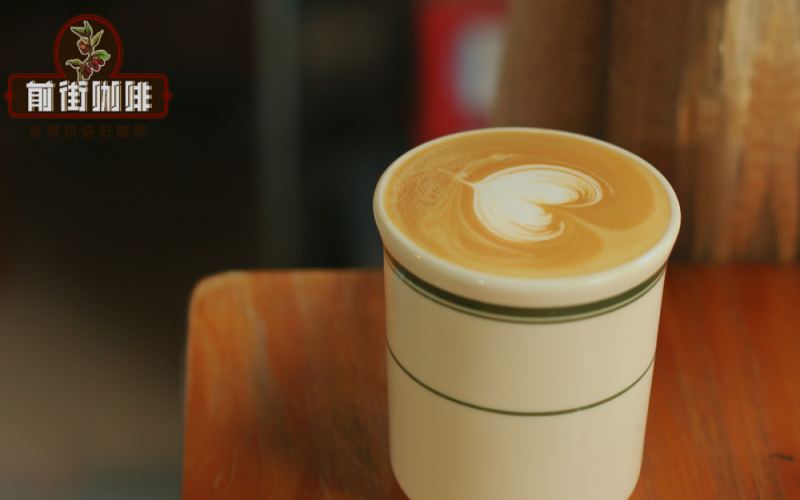
Flat White is called Flat White coffee at Starbucks in China. Originating from New Zealand and Australia, it is a flavored milk coffee with a higher coffee concentration than a latte and a thinner milk foam. Can it be made as an iced drink? The authentic preparation only offers a hot version, but Starbucks introduced an iced Flat White to meet demand. This article will also cover the pronunciation of Flat White, the legends about its origin, the characteristics of ristretto, and Front Street Coffee's recommended bean list and brewing parameters, helping you gain a comprehensive understanding of this milk coffee with a velvety mouthfeel. [more…]
Starbucks Filming Event Exposed for Banning "Made in China" Talking Points, Participants Quit in Anger Sparking Heated Debate
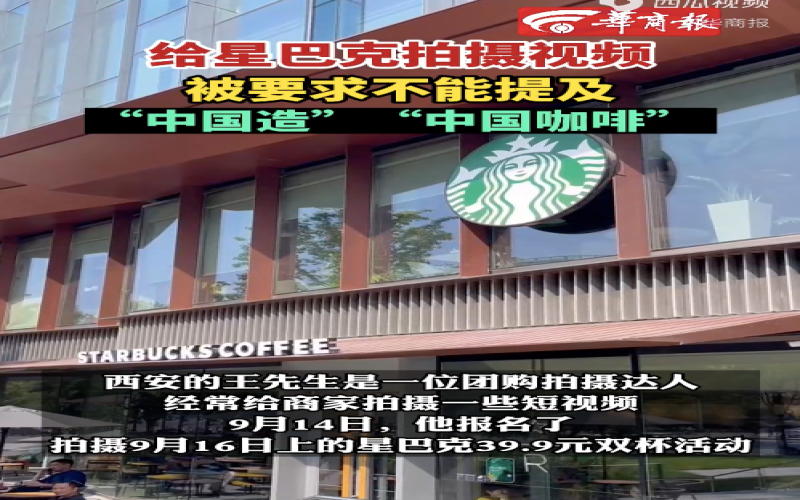
Recently, a Xi'an group-buying video creator exposed that after participating in Starbucks' national talent scout recruitment and being successfully selected, they were asked to shoot a video for the 39.9 double-cup promotion launching on September 16, but the shooting requirements posted in the group explicitly stated: "Refuse to mention any wording related to Made in China or Chinese coffee." This requirement sparked dissatisfaction among many video creators, and several chose to quit the group in protest. Starbucks responded that it is verifying the matter, but as of press time has given no clear answer. The incident continues to ferment on social media, with netizens generally feeling confused. Front Street Coffee continues to follow developments in the coffee industry and brings you the latest report. [more…]

China's first group standard for "Whole-Leaf Fresh Milk Tea" officially takes effect, further accelerating the health-oriented upgrade of new-style tea drinks.
In recent years, consumers' growing attention to beverage health has driven tea drink brands to continuously iterate toward natural ingredients and clean formulas. Against this backdrop, the group standard "Original Leaf Fresh Milk Tea," proposed by the Guangxi Tea Circulation Association and drafted under the leadership of Chagee (Shanghai) Brand Management Co., Ltd., was approved for release and implementation, becoming China's first group standard for original leaf fresh milk tea in the new-style tea beverage sector. The standard clearly defines the terminology and definitions of original leaf fresh milk tea, and sets specific requirements for raw material selection, production processes, storage conditions, and prohibited additives, marking another important step forward in the standardization of the freshly made tea beverage industry. [more…]

What's the difference between an Italian milk coffee and a French au lait? Can pour-over coffee actually be made with milk?
Milk coffee actually has Italian and French variations? This seemingly obscure topic actually hides a fundamental difference in coffee strength and mouthfeel. Italian milk coffee uses espresso as its base, with high strength and full flavor; French au lait, on the other hand, uses any black coffee with milk, offering a softer taste and a lighter burden. So can pour-over coffee actually have milk added? How much is appropriate? Starting from Front Street's actual brewing parameters, this article guides you through the essential differences between the two types of milk coffee and provides a specific recipe for café au lait. Whether you're an espresso enthusiast or a pour-over devotee, you'll find the cup that suits you. [more…]
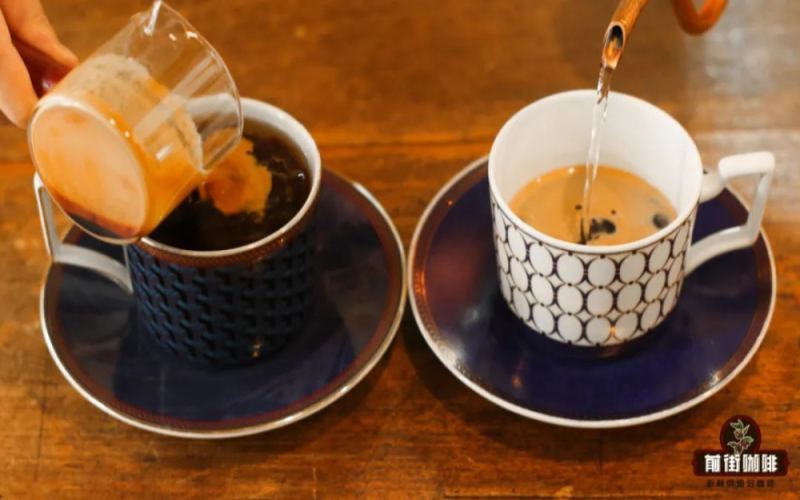
What is the difference between a Long Black and an Americano? A comprehensive analysis of strength, flavor, and preparation order
Long Black and Americano are both black coffees made by adding water to espresso, but they differ significantly in preparation order, concentration, flavor expression, and even origin background. Americano originated during World War II from American soldiers' demand for a milder-tasting coffee, and is made by adding espresso first and then water; Long Black was born in Australia, and is made by adding water first and then espresso, resulting in a higher coffee concentration. Because the order of adding water affects the degree of fusion between water and espresso, every sip of an Americano has a uniform flavor, while a Long Black shows a clear difference between the first few sips and those that follow. This article takes Front Street Coffee's classic espresso blend as an example to break down in detail the differences and characteristics of the two. [more…]
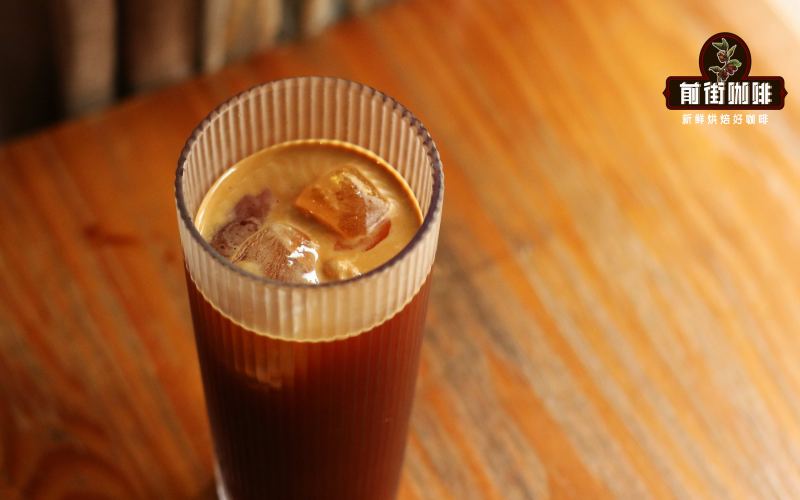
Must Iced Americano Be Made with an Espresso Machine? Classic Recipe, Pour-Over and Drip Bag Alternatives, and Ideal Drinking Temperature
Can a refreshing glass of iced Americano really not be made without an espresso machine? This article first gives the standard answer and the classic method: use Front Street Coffee's classic blend to extract a double shot of espresso, then pour it into an ice-water mixture, and it's done in three steps. For those who don't have a coffee machine at home, the article analyzes the difference between iced coffee made by pour-over or drip bags and a true Americano, and recommends Front Street Coffee single-origin beans suited to making iced coffee according to three styles: fruity, balanced, and full-bodied. In addition, it also covers the benefits of Americano such as aiding digestion, reducing water retention, and helping burn fat, along with drinking reminders, and gives the optimal tasting temperature for dark roast, medium roast, and light roast respectively, helping you get the best flavor out of every cup of Americano. [more…]
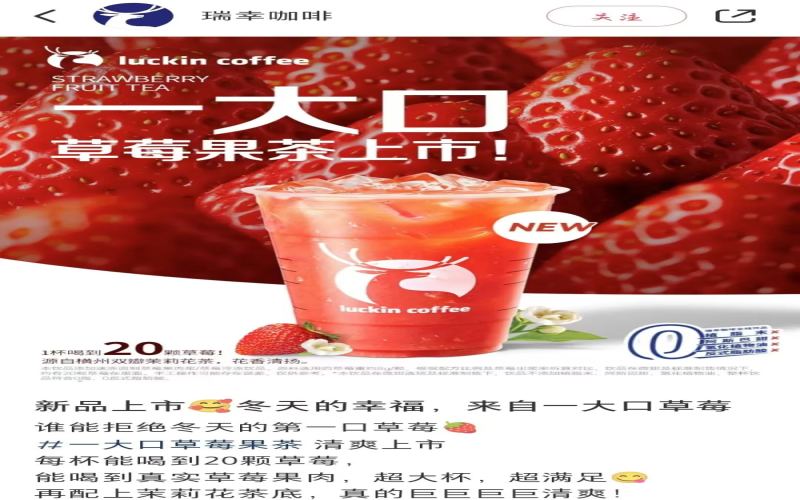
Luckin's Strawberry Fruit Tea claim of 20 strawberries sparks controversy; consumers say it's actually made with jam, causing a big gap in taste
Strawberry season has arrived, and major chain brands are rolling out seasonal limited-edition drinks one after another. Luckin has also jumped on the bandwagon with its Big Gulp Strawberry Fruit Tea, officially claiming that each cup contains 20 strawberries. However, after receiving the product, many consumers discovered that the drink was made from strawberry jam, far from the fresh fruit tea they had expected, and complaints have been flooding social media. The promotional approach of livestream hosts holding fresh strawberries stands in sharp contrast to the thick jam actually used in stores, sparking customer doubts about the truthfulness of the marketing. This article will sort through the ins and outs of the incident, present consumer feedback and the brand's response, and explore Luckin's consistent ingredient strategy for its fruit tea products. [more…]
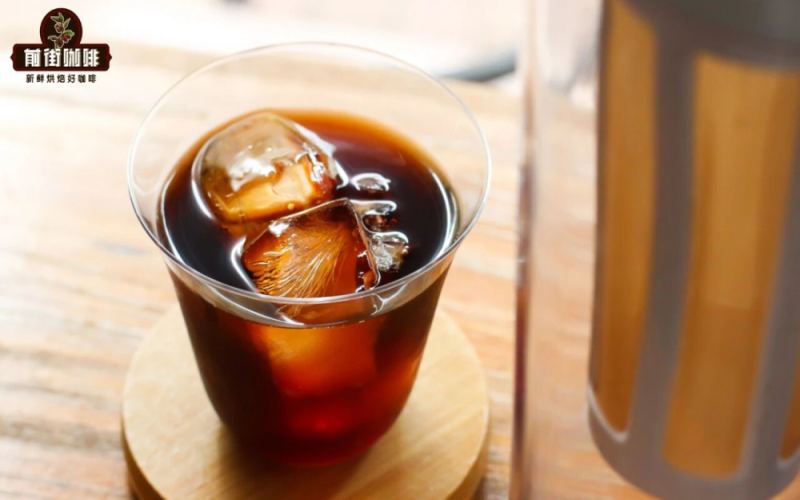
Coffee Knowledge Explained: The Definition of Black Coffee, Its Scope, and How It Differs from Fancy Coffee
What exactly is black coffee? It is not a specific coffee beverage, but rather a broad umbrella term. As long as a cup of coffee is made with only coffee beans and water, without any additional ingredients such as milk or sugar, it can be classified as black coffee. Americano is certainly a typical representative, but pour-over, siphon, cold brew, French press, and other devices that produce pure coffee also belong to this family. In contrast, coffee with added milk, syrup, alcohol, and other flavorings is collectively referred to as fancy coffee. This article will systematically sort out the definition of black coffee, common categories, and its differences from fancy coffee, helping coffee lovers be clearer when ordering. [more…]
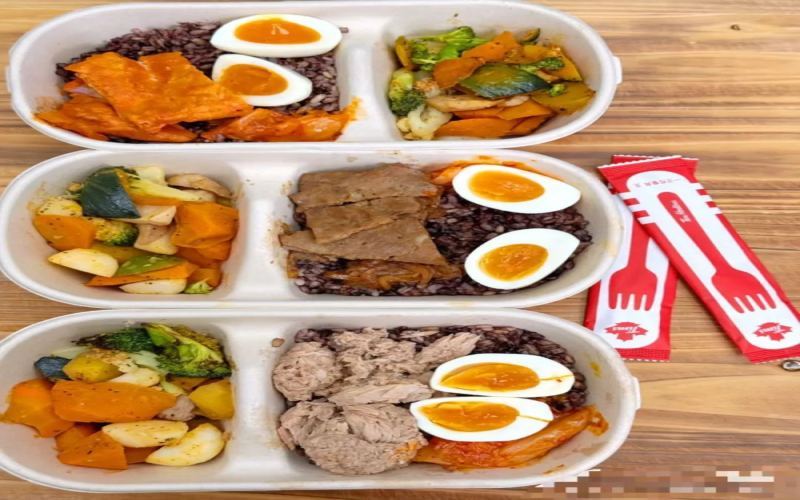
Tims Light Meal Lunch Boxes Off to a Cold Start: Pre-made Ingredients and Serving Pressure Spark Dual Dissatisfaction Among Staff and Customers
In recent years, the trend of healthy eating has gained popularity, and light meal products have become a consumer hotspot. The chain coffee brand Tims has also taken the opportunity to launch light-body lunch boxes, attempting to get a share of the light meal market. However, this new product, which was highly anticipated, has been questioned by the first batch of consumers due to a large discrepancy between the actual product and its promotion, as well as poor taste. Even more unexpectedly, Tims store employees have also collectively complained, saying that these lunch boxes are cumbersome to prepare and cause chaos during peak hours, and they wish the product would be removed from shelves immediately. From reheating pre-made items to complaints echoing through the back kitchen, what exactly has this light meal lunch box gone through? This article takes you through the real reactions behind Tims' new product, while also providing reference for readers who care about coffee and light meal pairings. [more…]
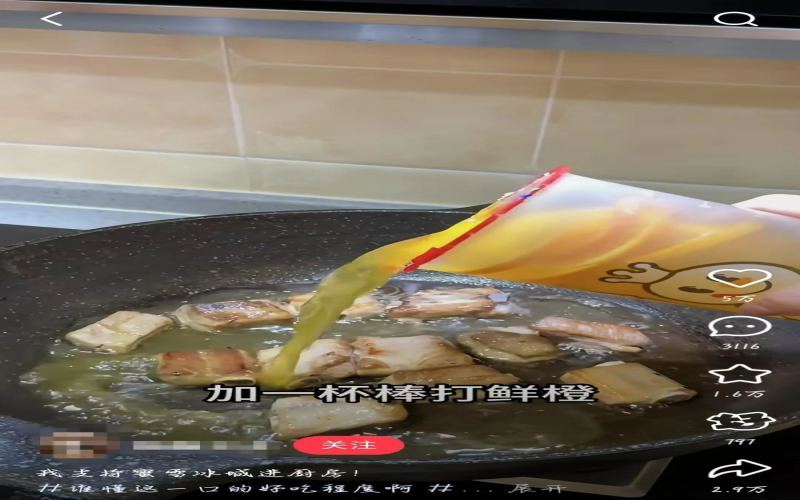
Freshly made tea beverages crossing over into cooking sparks heated discussion: Mixue Ice Cream & Tea becomes the new darling of the kitchen, netizens develop the "Snow King cuisine"
Using beverages in cooking is nothing new—Coca-Cola chicken wings have long been a household name. But recently, a group of wildly creative netizens have brought freshly made milk tea and fruit tea into the frying pan—Mixue Bingcheng's "Bangda Fresh Orange" is used to braise pork ribs, iced fresh lemonade replaces dipping sauce, and Four Seasons Spring milk tea is kneaded into dough to steam buns. This "Mixue Bingcheng goes into the kitchen" trend quickly went viral on social media, racking up tens of thousands of likes, with official accounts also joining in the interaction. Some see it as dark cuisine, while others who tried it exclaim it's surprisingly delicious. Is incorporating freshly made drinks into cooking actually reliable? And what intriguing details lie behind it? This article will take you on a deep dive. [more…]
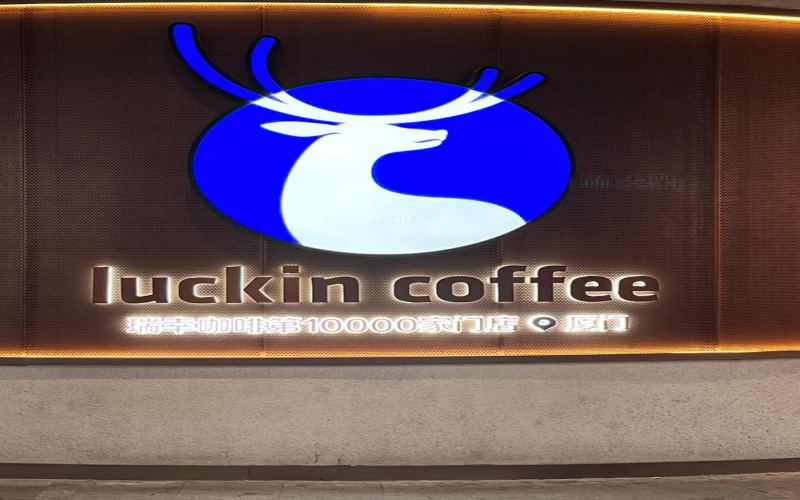
Luckin's first store trials pour-over coffee, sparking debate: can machine-made coffee be called specialty, consumers' reviews are polarized
Luckin Coffee's 10,000th store, serving as the brand's first flagship location, has launched its only pour-over coffee to date, drawing widespread attention online. However, judging from the brewing process that has been revealed, this pour-over is made by a machine simulating a champion's brewing method rather than a barista manually pouring water, and there was even a case where a clogged bed of grounds was not dealt with in time. The 20-yuan price, the rather weak flavor, and the "machine pour-over" positioning have split consumer opinion into two camps. This article will present the full sequence of events, netizens' views, and the discussion about the essence of pour-over coffee. [more…]
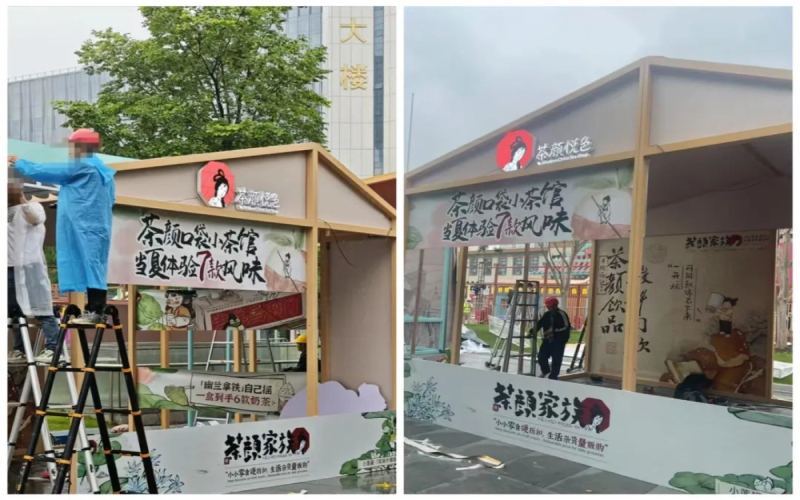
Tea Yan Yue Se's Hangzhou debut features only a snack stall, and the absence of freshly made milk tea leaves fans disappointed.
Tea Yan Yue Se recently opened a pop-up stall at Wulin Square in Hangzhou, marking the brand's first appearance in the city. However, milk tea enthusiasts who rushed to the scene full of anticipation discovered that the stall only sold snacks, tea bags, and other merchandise, with no freshly made drinks whatsoever. What further dissatisfied fans was that the stall did not accept membership balance payments, requiring on-site payment only. On the first day of opening, some snacks had already sold out and would not be restocked. Many netizens expressed their disappointment outright, believing that a pop-up stall without milk tea had lost the brand's distinctive character, and that the promotional effect had backfired. [more…]
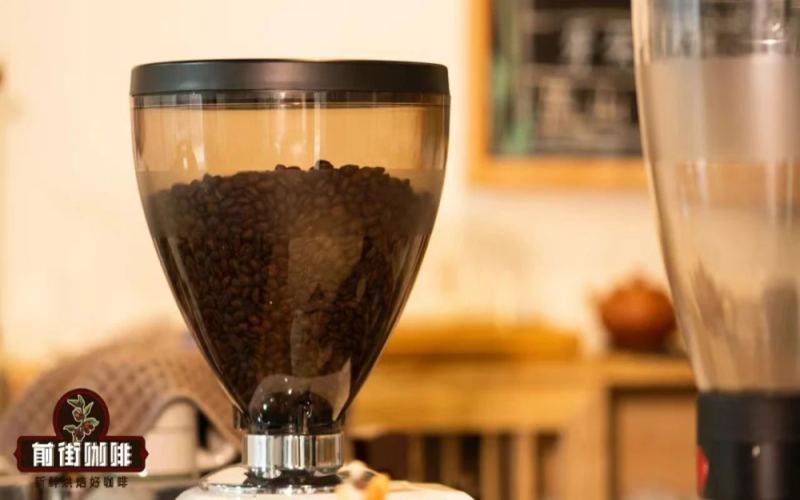
Can Light Roast Coffee Beans Be Used for Espresso? A Real-World Test of Front Street Huakui, Gudingding, and Dorothy in Americano and Latte
People generally assume that espresso must be made with dark-roasted beans, but nowadays quite a few cafés have already lowered the roast level to City roast or even lighter. This time, Front Street Coffee used three light-roasted Ethiopian beans—Huakui, Gudingding, and Dorothy—to pull espresso separately and make Americanos and lattes, wanting to see how light-roasted beans actually perform in espresso. The experiment found that light-roasted beans tend to preserve bright fruit acidity and floral aromas when made into an Americano, but the flavors are easily overpowered by milk when made into a latte. If you also want to try using light-roasted beans for espresso, first adjust the grind finer, control the pressure and pre-infusion time, and you may be rewarded with an unexpectedly juicy espresso. [more…]